The Great Fourth and the Birth of Bhutan’s High Value, Low Volume Tourism
By Dorji Dhradhul Former Director General, Department of Tourism
“……. It was suggested to us then that Bhutan would benefit economically from bringing in as many tourists as possible into the country. At that time, Bhutan was largely unknown to the outside world. And yet, with Drukgyal Zhipa at the helm, we had the confidence to make our own decisions- to decide that our approach to tourism policy would be that of high value low volume. It seemed counter-intuitive at a time when tourists to Bhutan were so few. There were many skeptics. But because of that policy, Brand Bhutan emerged. And you see the results of that policy for yourselves today. In hindsight, we realize the profound wisdom of that decision, but we could have easily gone the other way, had it not been for that conviction we had to forge our own path, our future, and our destiny”- His Majesty The King during the 11th Convocation of the Royal University of Bhutan in July 24, 2016
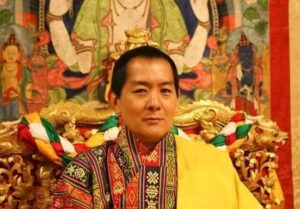
As Bhutan celebrates the 70th Birth Anniversary of His Majesty the Fourth Druk Gyalpo, King Jigme Singye Wangchuck, we are invited not only to offer prayers of gratitude, but also to reflect on the extraordinary gifts His Majesty has bestowed on our nation. Among his many transformative contributions, one stands out quietly yet profoundly: the conception of Bhutan’s tourism philosophy, the now globally admired High Value, Low Volume model.
Today it is often quoted, studied, and praised. But nearly five decades ago, it was simply a great act of Creativity, an act of visionary leadership. At a time when the world equated tourism success with large numbers, His Majesty charted a path that placed dignity above demand, values above volume, and identity above income. It was a courageous divergence and perhaps one of the most creative acts of statecraft of our era.
The Intentional Beginning
The Department of Tourism was established on December 1, 1971. Bhutan did not receive its first tourists until October 1974 nearly three years later. That pause is often overlooked, yet it reveals everything about our philosophy. Under the guidance of His Majesty, Bhutan spent those years preparing. We sought competence, cultural readiness, infrastructure, and orientation. Rather than rush in, we took a thoughtful step.
In other words, Bhutan chose preparation over profit and principle over popularity from day one.
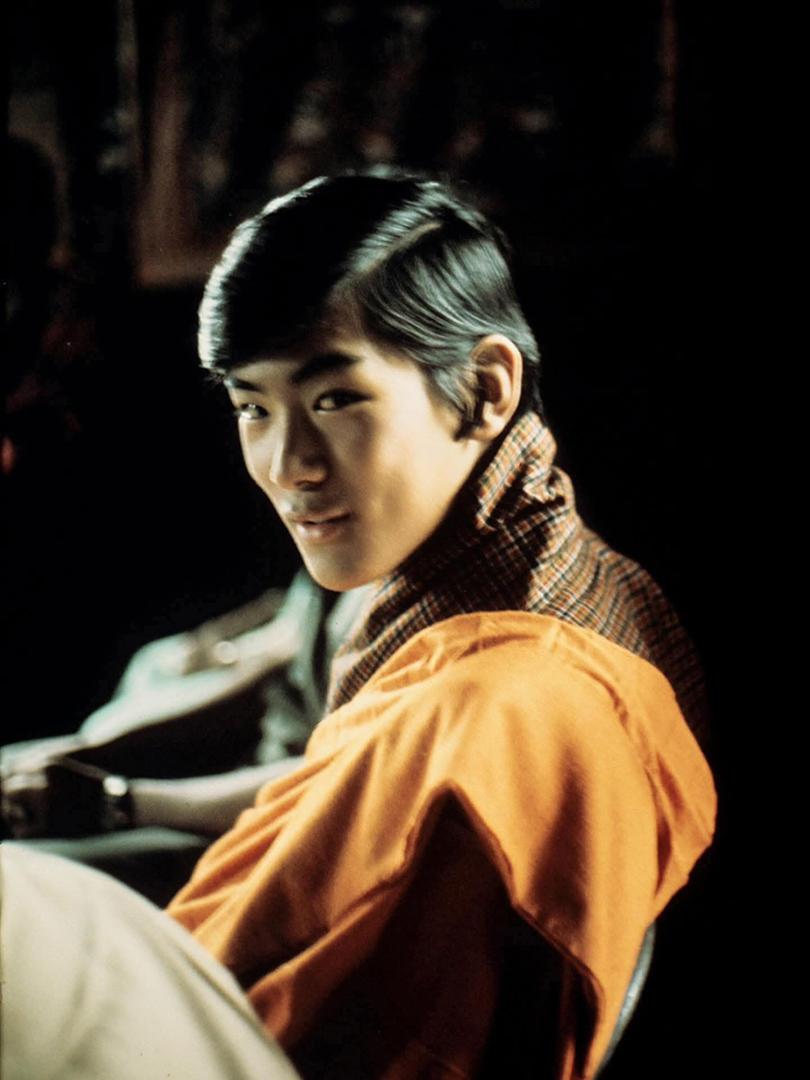
Wisdom in a Young Monarch
To fully understand the significance of this extraordinary wisdom and decision, we must remember the time and the context. It was in early 1970s – when Bhutan was just emerging from centuries of self-imposed isolation, a young nation taking its first steps into the global stage, just established the tourism department and a 16-year-old King at the helm, with no precedent nor a global roadmap on tourism to follow. The then advisors and experts to the young Monarch have suggested a more conventional path: an open door policy, welcome mass tourism, and generate quick revenue. That was the easy route, an obvious one, as in those years, the world was still largely unaware of the now all-too-familiar problems of overtourism, climate change, cultural erosion, and environmental degradation.
“That is where the greatness of His Majesty The King truly comes alive. His Majesty looked beyond the immediate gains and saw what others could not, how too much exposure could erode our essence, how unchecked development in tourism not only scar our resources but also devalue our country’s tourism value.”
While the rest of the world rushed into tourism with open gates, His Majesty chose to build a bridge before the flood. And from that courage and clarity was born a revolutionary concept that placed values before volume—that defined tourism not by numbers, but by its contribution to our society and our well-being of present and future generations.
But His Majesty looked beyond the horizon. He understood that unchecked exposure could erode the very essence that makes Bhutan Bhutan. He saw that culture, ecology, and social fabric are finite resources — once worn, they are nearly impossible to restore.
That foresight was not merely administrative; it was philosophical.
More Than a Policy – A Way of Being
High Value, Low Volume (HVLV) is an expression of Bhutan’s deeper developmental DNA. It aligns seamlessly with Gross National Happiness, reminding us that all progress must enhance human well-being, protect our environment, and preserve our heritage. Tourism is no exception. We do not invite visitors to consume Bhutan; we invite them to connect with Bhutan respectfully and mindfully.
Operationalizing Values
A key innovation embedded in HVLV is the Sustainable Development Fee (SDF), earlier known simply as the Royalty. Today set at USD 100 per person per night (on discount till 2027), this fee is not intended as a barrier. Rather, it is a shared investment. Every Ngultrum collected contributes to free healthcare, public education, environmental conservation, cultural revitalization, and nationwide infrastructure. Simply put: the SDF ensures that tourism benefits both visitors and Bhutanese citizens, today and tomorrow.
A Creative Masterstroke
In my years of service to Bhutanese tourism, perhaps the deepest realization I carry is this:
The High Value, Low Volume model is one of the most remarkable acts of national creativity in contemporary times.
It required imagination to see beyond immediate gains. It required discipline to sacrifice quantity for quality. It required courage to define success differently. And above all, it required love, love for our land, culture, and future generations.
When the history of 21st-century tourism is written, HVLV may stand as one of Bhutan’s most elegant contributions to global wisdom.
History Repeats – And Legacy Holds
Remarkably, history repeated itself when Bhutan reopened its borders in September 2022, after two and a half years of closure due to COVID-19. The situation mirrored October 1974 in uncanny ways: uncertainty, economic stress, and strong pressures from every sector to pursue immediate gains. The recommendations were familiar: open widely, compromise principles, and focus on quick recovery.
Yet once again, Bhutan upheld the legacy of our Great Fourth. We chose long-term integrity over short-term relief. We protected the future rather than surrendering to the urgency of the moment. And in doing so, the world benefited too, Bhutan quietly offered the world something it desperately needed a model, an example, a standard to aspire to. Thanks to the continuity of the collective leadership of the Tsawa Sum, the HVLV philosophy was defended boldly and intelligently, not only for our nation, but for a planet searching for balance.
A Legacy Growing In Relevance
As the world grapples with climate change, cultural erosion, and tourist saturation, Bhutan’s quiet experiment now appears prophetic. Countries including New Zealand, Iceland, Japan, Venice, Hawaii, and Thailand are introducing visitor levies, tourism caps, and mindful travel campaigns. Many look to Bhutan not for its scale, but for its wisdom.
HVLV is slowly but surely becoming a global reference point not as a restrictive model, but as a regenerative one, a mindfulness one.
A Continuing Duty
On the auspicious occasion of His Majesty’s 70th Birth Anniversary, let us honour this legacy not only with words, but with action. We must safeguard the values His Majesty envisioned authenticity, humility, and balance. Tourism as a national strategic asset must continue to serve the well-being of all Bhutanese, and elevate the experience of every guest.
The world is now asking the very question Bhutan answered decades ago:
How can tourism enrich both the traveller and the host, without harming the planet?
We have the answer. The Great Fourth gave it to us and now we want to offer it to the world.
In Humble Tribute
As I work on a forthcoming book exploring HVLV as a global paradigm, I am humbled to dedicate it to His Majesty the Great Fourth and to His Majesty The King, the architects of a tourism philosophy that the world is only now learning to appreciate.
May this vision continue to guide us.
May we safeguard it with devotion.
And may future generations look back with gratitude on this shining acts of leadership.
On this sacred anniversary, I offer my deepest respects, heartfelt prayers, and endless Tashi Moenlam to His Majesty Jigme Singye Wangchuck, the King who imagined a better way to welcome the world.
Pelden Drukpa Gyalo ! Wangchuck Dynasty Gyalo!
Bhutanese Duty in Tourism
i. Thrashing Trash
Bhutan has long been admired for its pristine environment. However, modern consumer habits have led to an increase in waste. Each citizen must take responsibility for keeping Bhutan clean. Disposing of trash responsibly and encouraging sustainable practices will help maintain Bhutan’s image as the Last Shangri-La.
ii. Protecting Public Properties
Visitors interact with public facilities daily, from streets, gardens, offices, restrooms, monuments, forests and mountains. Ensuring these properties and spaces are well-maintained reflects national pride and enhances visitor experiences. Bhutanese must treat public properties and spaces with care, setting an example of responsible citizenship.
iii. True Tour Operators
Tour operators play a crucial role in shaping visitor experiences. Offering ethical and high-quality services rather than undercutting prices protects Bhutan’s reputation as a premium travel destination. Operators must adhere to the nation’s tourism policies and ensure that visitors experience the best Bhutan has to offer.
iv. Good to Great Guides and Devoted Drivers
Tour guides and drivers are often the first point of contact for visitors. They must uphold professionalism, cultural knowledge, and ethical behavior. Their conduct shapes how Bhutan is perceived. Avoiding bad habits such as smoking, chewing doma, drinking alcohol in presence of visitors, ensuring safe driving practices, and treating visitors with patience and respect go a long way in enhancing the tourism experience.
v. Homely Hotels & Restaurants
Hotels and restaurants must provide a home-like atmosphere with personalized service. The quality of food, cleanliness, and hospitality can define visitors’ impression of Bhutan. Staff must prioritize visitors’ satisfaction, ensuring that each visitor leaves with a positive experience.
vi. Homemade Handicrafts
Bhutanese handicrafts are highly valued by visitors. Selling imported items as Bhutanese products damages the trust and authenticity of Brand Bhutan. Transparency and a commitment to promoting local crafts will ensure that visitors take home genuine pieces of Bhutanese heritage.
vii. Perfecting Public Service
The efficiency of public services plays a vital role in shaping Bhutan’s tourism sector. Government offices, souvenir shops, transport services, tour, hotel and guide services, and customer service points must improve responsiveness and professionalism. Delays, complacency, or poor coordination can create frustration for visitors, which contradicts Bhutan’s tourism values. Every Bhutanese working in public service must adopt a mindset of excellence and accountability.
All Bhutanese as Brand Ambassador
Bhutan’s greatest asset is its people. And even the visitors have time and again confirmed that, the one thing that they loved most in Bhutan is the “people.” It is not the pristine mountains, unique culture, dzongs, ema-datsi and the mask dances at the tshechu, none of these.
“One of the game-changing advances that Bhutan can do is the deployment of brand ambassadors. These ambassadors are actually your own people, the ordinary Bhutanese”, said Mr Koh Buck Song, author of Brand Singapore. It has been Singapore’s main operating model for the last 50 plus years and without a doubt a successful one at that.
Rightly so, the true strength of Bhutan’s tourism industry lies in its people. While we all are by default our country’s ambassadors, but we need to be more mindful as we carry out this solemn responsibility. We cannot afford to make even a single visitor unhappy for any reasons. So, taking up the role of nation’s ambassador is no small job, it should be embraced with the same spirit as the Bhutanese adage describing a Royal command: “It is more daunting to carry out the Royal command than to carry a mountain, and more precious than gold to be ignored or put aside.”
Every interaction, whether with a tour operator, guide, hotelier, service staff, porter, police, farmer, air hostess and steward, public servant, shop keeper, driver, cook, farmer, student, hotel receptionist, wet sweeper, street vendor, civil servant, shapes a visitor’s perception of Bhutan.
Eternal Inspiration from the Golden Throne
His Majesty The King, an unwavering source of inspiration and guidance, during the Royal Address at the passing-out parade of the 2nd Cohort, 1st Batch of Gyalsung Training on March 24, 2025 has set forth a vision for Bhutan’s future, emphasizing that economic progress must be built on a foundation of trust, reputation, and national strength. This vision is encapsulated in the three pillars of economic strategy:
i. Brand Economy– Bhutanese identity, rooted in authenticity, humility, sincerity, and responsibility, is our greatest asset. The reputation built by generations before us must be safeguarded and strengthened.
ii. Trust Economy– Bhutan’s economy must go beyond maximizing profits. It must be built on integrity, sincerity, and enduring partnerships, where Bhutanese people trust one another and earn the trust of the world.
iii. Strength Economy– Financial, geopolitical, and strategic advantages must be leveraged with intelligence and foresight to secure national interests.
At the sectoral level, Bhutan’s High Value, Low Volume tourism model is a living example of these three economic pillars in action. It ensures Bhutan remains exclusive and sought-after destination, prioritizing value over volume, value in experience, sustainability, trust and revenue.
Conclusion
Bhutan’s tourism model reflects the essence of a Trust Economy—where trust is not just a value, but the very currency that sustains our success. His Majesty’s vision for a Brand Economy, Trust Economy, and Strength Economy underscores the profound responsibility each Bhutanese holds in shaping the nation’s future.
Through repeated small acts of kindness, commitment, dedication, sacrifice, courage, and responsibility, all Bhutanese can answer the Royal Call for Great Nation-Building. Guided eternally by the wisdom of the Golden Throne, we move forward as a nation built on brand, trust and strength as recently exhibited by the Lady who sold yogurt to a billionaire visitor on credit.
Palden Drukpa Gyalo!.
Doji Dhratyul, Author & Creativist